




Underneath we’ll get into a portion of the arrangements On How To Enable Enhanced Data Protection Huawei P20 / P20 Pro.
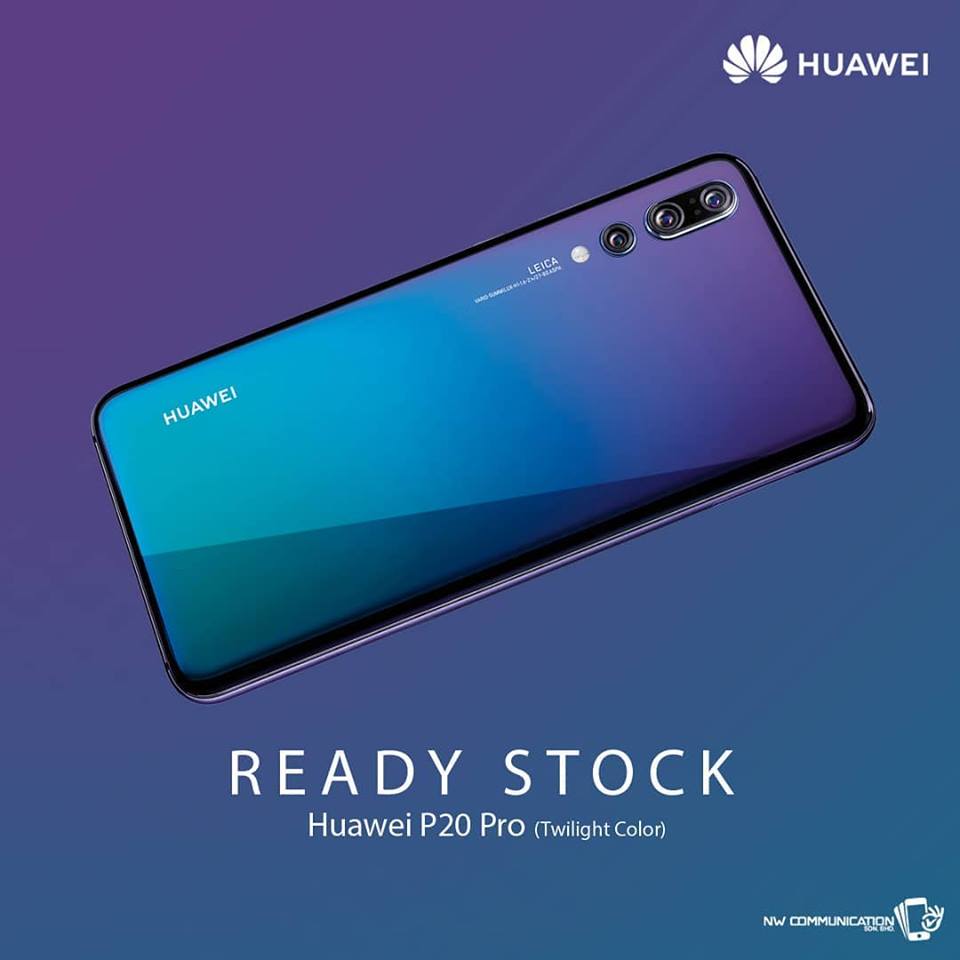
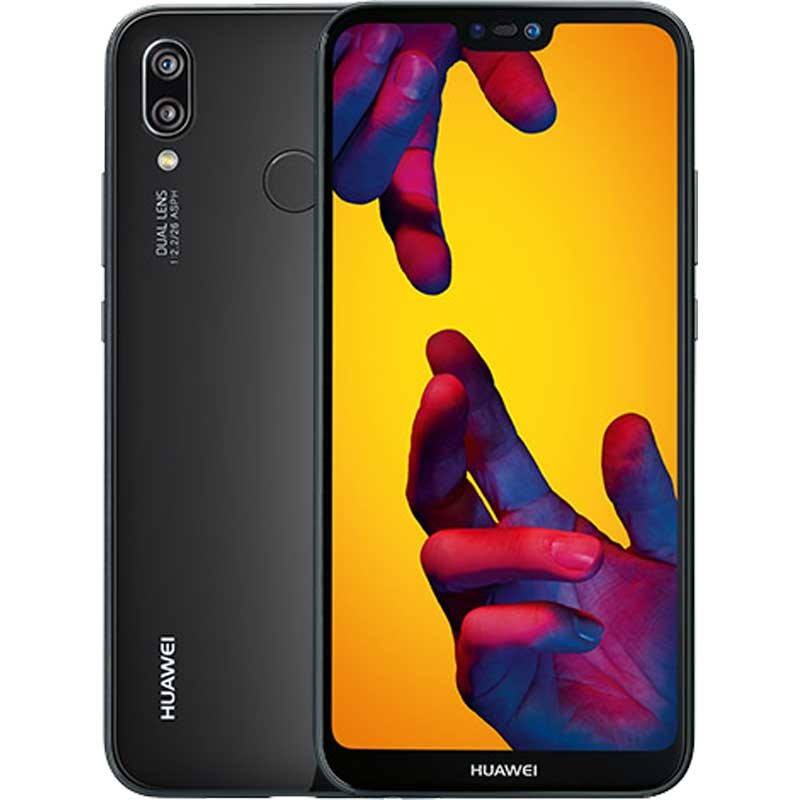
The Huawei P20 and Huawei P20 Pro are high-end Android smartphones made by Huawei. They were announced on March 27, 2018 as the successors to the Huawei P10 series. Its features included a Leica dual camera for P20 and a triple camera for P20 Pro, this series includes a mid-range smartphone called Huawei P20 Lite, that includes slightly lower specifications and differences to the P20.
The Huawei P20 mobile features a 5.8″ (14.73 cm) display with a screen resolution of 1080 x 2240 pixels and runs on Android v8.1 (Oreo) operating system. The device is powered by Octa core (2.36 GHz, Quad core, Cortex A73 + 1.8 GHz, Quad core, Cortex A53) processor paired with 4 GB of RAM. The battery has a capacity of 3400 mAh. The rear camera has a 12 MP camera CMOS sensor supporting a resolution of 4.000 x 3.000 Pixels and the front camera has a 24 MP CMOS sensor. Other sensors include Light sensor, Proximity sensor, Accelerometer, Compass, Gyroscope, and a fingerprint sensor. For graphical performance, this phone has got a Mali-G72 MP12 GPU. Standard storage is 128 GB. The Huawei P20 is 7.65 mm slim and weighs 165 grams.
How To Enable Enhanced Data Protection Huawei P20 / P20 Pro:
Enhanced Data Protection:
Worried that your photos, bank account information, or other private data might get leaked if your Phone is lost or stolen? Huawei Phone s now feature security chips in addition to the combined protection provided by the trusted root key and lock screen password. Whether your data is stored in a microSD card or internal storage, it will receive the highest level of protection.
Stronger encryption and safeguards : Huawei Phone s use a hardware key that cannot be used to decrypt data when separated from the Phone . Based on the trusted root key, the encrypted components are incorporated into the memory control chip to enhance the data protection capability of the hardware. This works together with your lock screen password to protect your private data. When you use PrivateSpace, Multi-user, encrypted microSD files, or other features to encrypt photos, personal information, or other personal data, the only way your data can possibly be decrypted is if the trusted root key, lock screen password, and security chip are simultaneously cracked. Not all devices support microSD cards.
Experiencing difficulties with your Android Device, check out our “How To” page on how to resolve some of these issues.
Other Android Technical Reviews:- Android