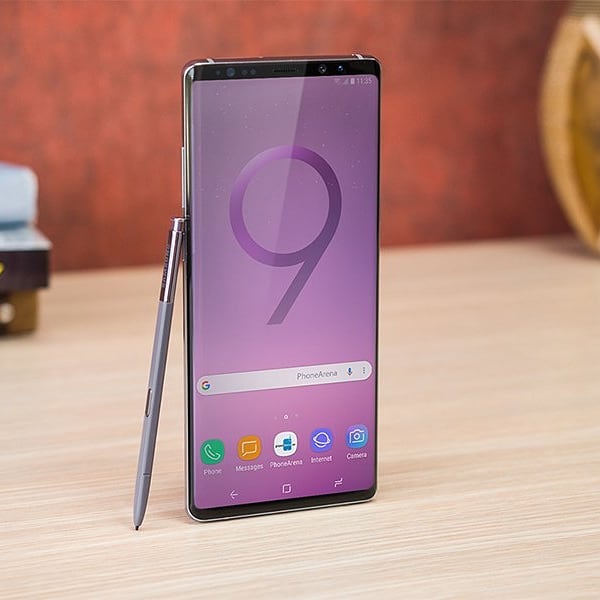



Samsung recently revealed a range of new Galaxy Phones for the year 2020. Among those to steal the show were the Galaxy Z Slip and the Galaxy S20 Ultra.
The Galaxy S20 will have three variants: the 6.2-inch Galaxy S20, the 6.7-inch Galaxy S20 plus and the 6.9-inch Galaxy S20 Ultra. The prices of these phones start at $1000, $1200 and $1400 respectably. Of the three variants, the S20 Ultra has the most advanced camera setup. The difference between the three variants respectively are:
The Samsung Galaxy S20:
This is the most basic S20 model in the lineup. It will come with a 6.2 inch OLED display. The resolution of this smartphone is Quad HD. The three cameras on the back will be of 12MP+64MP+12MP and the camera in the front will be of 10MP. It will run with an Exynos 990 processor chip. The RAM of the phone will be either 8GB or 12GB, depending on the variant which you are purchasing. It will come with an internal storage of 128GB. The battery will be 4000 mAh which is considerably good. It is rated IP68 water-resistant. There will be an optional 5G variant available as well. The phone will start from a range of $1,349.
The Samsung Galaxy S20+:
This is a variant which is a grade above the base model S20. It will come with a 6.7 inch OLED display. The resolution again will be Quad HD. There is no difference in the back and front cameras except that there will be an added ToF Feature on the back camera. Again, it will run on an Exynos 990 processor. The RAM variant will depend on you whether you purchase the 8GB or 12GB variant. The internal storage will come in two options of 128GB and 512GB. There will be an increased battery size of 4500 mAh. The phone will be IP68 water resistant naturally. A 5G model is again an option that you have to take whether you want to purchase that one or not. It will start at $1,499.
The Samsung Galaxy S20 Ultra:
This is the best and most powerful variant in the series of S20. It will come with a 6.9 inch OLED display. The resolution will be the same – Quad HD. But there is a huge difference in the back cameras. The back cameras will be 108MP+48MP+12MP+ToF. If you are wondering about the front camera, it will have a 40 MP camera. The phone will run on Exynos 990 processor only. There will be two RAM variants available for you to choose from – 12GB and 16GB. The internal storage again will come in two options – 128GB and 512GB. If you are thinking about the battery, the battery is again upgraded to 5000 mAh, which means your device will run for a long period than usual. The phone is IP68 water-resistant. It will be 5G only and it will start from a price of $1,999.
All of the three smartphones have some great features and that is why they are priced this high. It is hard to determine if paying almost $1,999 for a smartphone is worth it or not, but one thing is sure that the quality you will get will be high.
Instructions on Fix Cannot Connect to WiFi Network Samsung Galaxy S20 / S20+ / S20 Ultra:
There are several reasons why your phone may not be connecting to your Wi-Fi network. Before attempting to troubleshoot, make sure you’re in an area with the Wi-Fi connection and verify that your access point or router is on and working normally.
Add a Network Manually:
Before proceeding, make sure you note the following:
The name of your Wi-Fi network (SSID)
The security method for your Wi-Fi network (Open, WEP, WPA/WPA2 PSK or 802.1x EAP)
The password or key for your Wi-Fi network
Manually add network:
Navigate to Apps > Settings.
Search for and select Wi-Fi.
Touch Add network.
Enter the Network name (SSID).
Touch the Security field, and then select the encryption type for the network you are adding.
If you choose an option other than None, touch the Password field, and enter the credentials.
Touch CONNECT.
If the phone still fails to connect to the internet, perform a Factory Data Reset (You can find how to factory reset the S20 device in this article here, Just scroll through the content).
Connect to the Wi-Fi Network:
Confirm Wi-Fi is on
Restart your phone by pressing and holding down Power button. Then, touch Restart.
Navigate to Apps > Settings.
Search for and select Wi-Fi.
Touch the slider to turn on Wi-Fi.
Try connecting to network:
Your phone will list the Wi-Fi networks in range.
If Wi-Fi networks appear but are not familiar, verify the settings on your AP/Router.
Make sure your AP/Router is working by performing a soft reset. You can do this by turning the AP/Router off and then on again.
Make sure the AP/Router is transmitting the network SSID, or manually add a network if it does not broadcast your network SSID.
If no Wi-Fi networks appear and you’re certain that your network is in range, then verify the settings on your AP/Router.
Make sure your AP/Router is working by performing a soft reset. You can do this by turning the AP/Router off and then on again.
Make sure the AP/Router is transmitting the network SSID or manually add a network if it does not broadcast your network SSID.
If your Wi-Fi network appears, select your network. If the network is secured, enter the credentials, and then touch CONNECT.
Add a Network Manually:
Before proceeding, make sure you note the following:
The name of your Wi-Fi network (SSID)
The security method for your Wi-Fi network (Open, WEP, WPA/WPA2 PSK or 802.1x EAP)
The password or key for your Wi-Fi network
Navigate to Settings.
From the home screen, swipe up for the Apps Screen and touch Settings. You can also pull the notification bar down and touch the Settings icon.
Find Wi-Fi.
Using the search bar at the top of Settings, search for “Wi-Fi” and touch the correct result.
You can also find it in Connections > Wi-Fi.
Touch Add network.
Touch Add network at the bottom of the network list.
Enter the network information.
Enter the Network name (SSID) then touch the Security field. Select the encryption type for the network you are adding then touch CONNECT.
If you choose an option other than None, touch the Password field, and enter the credentials.
Experiencing difficulties with your Android Device, check out our “How To” page on how to resolve some of these issues.
Other Android Technical Reviews:- Android